

容易なスケーリングや組み込みのセキュリティから、プログラマブルな制御、包括的な可視性まで、最先端の CDN に必要なあらゆる機能を提供します。




複雑さを排除したリアルタイム体験 : Fanout で WebSocket と Pub/Sub をエッジでサポート
チャット、ライブオークション、IoT などにおいて、1秒未満のリアルタイム体験を配信します。Fastly Fanout は WebSocket、HTTP、トランスポート・レイヤー・セキュリティ (TLS) 接続を管理し、リアルタイム通信と Pub/Sub パターンをエッジに導入します。1つのバックエンドからあらゆるクライアントに接続することも、MQTT アプリケーションを構築することも、WebSockets をオフロードすることも、さらには Web 全体のイベントをオーケストレーションすることも、すべて Fastly ならではのスケールで実行できます。
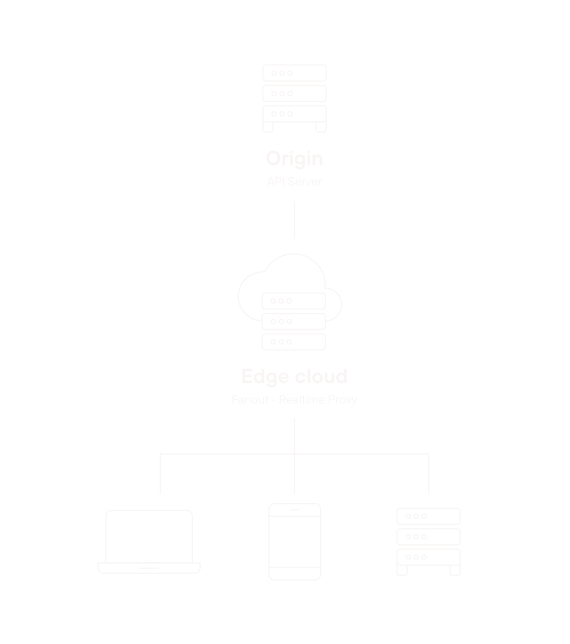
現代のリアルタイムアプリ向けのイベントドリブン型の基盤
双方向通信の複雑さを管理するために、WebSocket から IoT センサーデータに至るまで、あらゆるものに Fanout を活用できます。接続状態とプロトコル変換をエッジで処理することで、オリジンの負荷を最小限に抑え、低レイテンシの配信を確保し、チームの開発速度を向上させます。
オリジン負荷とインフラストラクチャコストを劇的に削減する
Fanout によって、何百万ものステートフルな WebSocket 接続や HTTP ストリーミング接続をエッジで同時に管理できるため、オリジンにはシンプルな HTTP リクエストをリレーするだけで済みます。これによりサーバーの需要を大幅にオフロードし、システムのレジリエンスを強化しつつ、ROI (投資収益率) を高められます。
開発者のスピードと市場投入までの時間を加速化する
WebSocket、HTTP、トランスポート・レイヤー・セキュリティ (TLS) に対応した柔軟なプラットフォーム上にビルドしてください。ビジネスロジックに注力し、接続管理に時間を割く必要はありません。Pub/Sub、IoT、MQTT、その他のリアルタイムソリューションをビルドすることができます。
プロトコル間でリアルタイム通信を統合する
Fanout は強力な HTTP/Websocket 基盤を備えているため、サービスが Web トラフィック、WebSocket、あるいは受信 IoT データからのリクエストに応答し、さらにそれらの間の変換を実行できます。Fanout は接続状態を管理し、シンプルな HTTP を介してオリジンと連携して、リソースと複雑さをオフロードすることができます。
WebSocket パススルーと Fanout の比較: 適切なリアルタイム戦略の選択
Fastly のプラットフォームは、あらゆるリアルタイムのニーズに対応しています。私たちのパススルー WebSocket プロダクトは、コンテンツ配信ネットワーク (CDN) を介した直接的な双方向パスを、自己管理型インフラストラクチャ向けに提供します。Fanout は、より堅牢なリアルタイムアプリケーションを構築し、接続状態を管理し、プロトコルを変換し、オリジンを大幅にオフロードするためのイベントドリブン型ソリューションです。以下の情報を使用して、どのソリューションがお客様のユースケースに最も適しているかを判断してください。
WebSocket のパススルー
最適な用途:既存のリアルタイムデータインフラストラクチャの保護。
主な接続モデルは1:1、双方向 (クライアントからオリジンへ) です。
オリジンサーバーがすべての接続状態を管理します。
プロトコル変換はありません。WebSockets を使用するにはオリジンが必要です。
最小限のオリジンの負荷軽減とROI(投資収益率)。オリジンは同時接続を維持しなければなりません。
課金モデル=接続時間。
リアルタイムのデータインフラストラクチャをオリジンで実行する必要があるあらゆるユースケースをサポートします。
Fanout (エッジでのデータプッシュ)
最適な用途 : オリジンにおけるリアルタイムデータインフラの運用負担を軽減すること。
主な接続モデルは1対多、プッシュ/Pub-Sub (イベントドリブン型)
Fastly Fanoutは、エッジですべての接続状態を管理します。
Fastly Fanout がプロトコル変換を行います。(例 : WebSocket からオリジンフレンドリー HTTP へ)
オリジンの負荷軽減を最大化し、ROI(投資収益率)を向上させます。オリジンは単純なHTTPイベントとビジネスロジックを処理します。
課金モデル=接続時間とメッセージ数。
ライブオークション、スポーツスコア、株価情報、リアルタイムプッシュ通知、IoTコーディネーション(MQTT)、マルチユーザーチャットのリアルタイムデータをエッジで提供します。
プッシュアーキテクチャを正しく実現
独自の「ストリームサーバー的なもの」を構築する必要はありません。大変な作業は私たちが行います。
ハイブリッドリバースプロキシとメッセージブローカー。
既存のAPIをプッシュ機能で強化してください。
相互運用性を考慮して設計されています。
サーバーレス/FaaSを含むHTTPベースのバックエンドは、長期間にわたるストリームを管理できます。
セルフホスト型またはクラウド型。あなた次第です。
カスタムドメイン名で当社の大規模なネットワークを使用するか、独自のサーバーでソフトウェアを実行してください。



「Fastly なしでは、私たちが現在取り組んでいることを達成するのは難しいでしょう。エッジコンピューティングは私たちのテクノロジーに欠かせません」
Ryan Minor 氏
Mobile and IoT Development Manager
よくある質問
リアルタイム通信とは何ですか?エッジでどのように機能しますか?
リアルタイム通信とは、従来のリクエスト-レスポンスサイクルの遅延を回避して、システムとユーザーの間でデータを瞬時に転送する仕組みを意味します。Fastly は、エンドユーザーにより近いネットワークエッジに接続管理を移すことで、これを実現します。Fastly のプッシュアーキテクチャは、エッジで永続的な接続を維持することで、クライアントが常時ポーリングする必要をなくし、オリジンのオーバーヘッドを大幅に削減するとともに、1ミリ秒未満のレイテンシで更新情報をユーザーに届けます。
Fastly は WebSockets やその他のリアルタイムプロトコルをどのようにサポートしていますか?
Fastly は、WebSockets やその他のリアルタイムプロトコルを、主に 2 つのソリューション(WebSockets Pass-Through と Fastly Fanout)を通じてサポートします。WebSockets Pass-Through は、WebSocket 接続を Fastly のエッジ経由で直接お客様のオリジンに転送します。接続モデルは、クライアントとオリジン間の1対1の双方向通信です。Fanout は、Fastly プラットフォームに統合されたイベントドリブンのパブリッシュ/サブスクライブ (pub/sub) メッセージブローカーです。接続モデルは1対多で、Fastly がエッジですべての接続状態を管理します。Fanout はエッジでプロトコル間の変換を行い、ステートフルな WebSocket、SSE、ロングポーリング接続を、オリジンがすでにサポートしているステートレスな HTTP リクエストに変換できます。
Fastly をリアルタイムアプリケーションのメッセージブローカーとして利用できますか?
はい。Fastly は、エッジで Pub/Sub (パブリッシュ/サブスクライブ) アーキテクチャを活用することで、分散型のメッセージブローカーとして機能します。1つの更新情報を公開するだけで、認可されたすべてのサブスクライバーに Fastly がそのメッセージを瞬時に自動配信します。これにより、メッセージ配信に伴う負荷の高い処理をお客様のサーバーから Fastly のグローバルネットワークにオフロードし、同時実行数の上限と信頼性を大幅に向上させられます。
pub/sub とは何ですか?リアルタイムシステムにとってなぜ重要なのですか?
Pub/Sub (Publish/Subscribe) は、メッセージ送信者を受信者から分離し、効率の高いイベントドリブンなアーキテクチャを可能にするため、非常に重要です。サーバーが個々のユーザー接続をすべて追跡する代わりに、1回のパブリッシュイベントをエッジに送信します。これにより、データ送信コストが削減され、高トラフィックイベント時にお客様のインフラストラクチャが過負荷になるのを防ぎます。
Fastly は MQTT ワークロードをエッジでどのように処理しますか?
Fastly は、メッセージを効率的にルーティングし、IoT メッセージングのために永続的な接続を維持することで、MQTT (Message Queuing Telemetry Transport) アーキテクチャをサポートします。Fastly のエッジネットワークを活用することによって、MQTT の pub/sub 型メッセージングを作成、仲介、スケールし、大量の IoT デバイスがクラウドサービスに低レイテンシで同時に接続することが可能になります。
Fastly はマルチユーザーチャットやコラボレーションアプリに適していますか?
はい。Fastly は、頻繁な更新を必要とするマルチユーザーチャット、ライブコラボレーションツール、共有エクスペリエンスに適しています。WebSockets と Fanout を使用することで、メッセージを瞬時に配信できます。Fastly プラットフォームにより、ユーザーベースが数百人規模から数百万人規模へと拡大しても、アプリケーションのリアルタイム同期を安定したパフォーマンスで維持できます。
プッシュアーキテクチャは、ポーリングと比べてどのようなメリットがありますか?
プッシュアーキテクチャは、イベントが実際に発生したときにのみデータを送信するため、HTTP ポーリングよりも大幅に効率的です。ポーリングでは、CPU サイクルを浪費し、オリジンでの請求コストを増加させる空のリクエストが発生する可能性があります。Fanout を介してプッシュモデルに切り替えることで、不要なネットワークトラフィックを削減し、インフラストラクチャのコストを抑え、より優れたエクスペリエンスをエンドユーザーに提供できます。
Fastly によって、リアルタイム通信のワークロードをどのようにスケールできますか?
Fastly のエッジネットワークは、大量の同時接続を処理できるように構築されています。WebSockets、MQTT、pub/sub メッセージングのいずれを管理する場合でも、Fastly プラットフォームはインフラストラクチャ全体にトラフィックを自動的に分散します。これにより、手動での対応や複雑なキャパシティプランニングなしで、リアルタイム通信システムをスケールさせることができます。