

Get everything you need from a modern CDN — from effortless scale and built-in security to programmable control and full visibility.




All blog posts
Page 7 of 62

WAF for Fintech and PCI Compliance
Compare the best PCI compliant WAFs for 2026. Learn how WAFs support PCI DSS v4.0, protect payment applications, and strengthen web application security
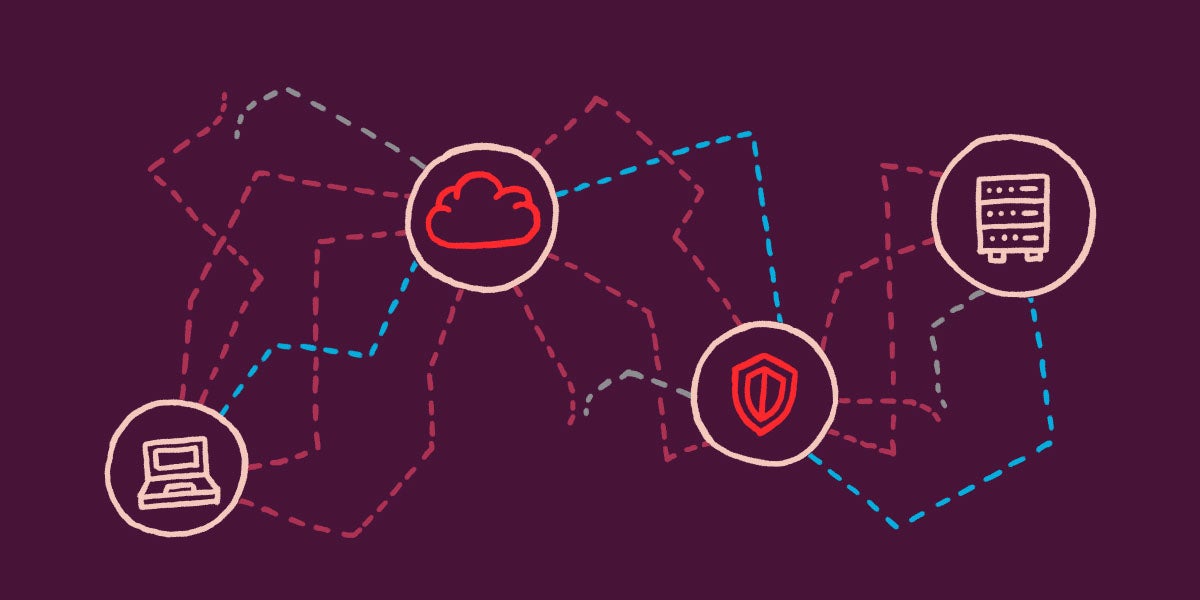
Reliable Deployments for Large Kubernetes Fleet
Struggling to scale GitOps? Discover how Fastly moved beyond standard Kubernetes tools to build a custom ArgoCD orchestration layer for safe, global multi-cluster rollouts.

From Signal to Ship: How Your Feedback Powers Our Platform
Fastly's Voice of the Customer program turns every customer signal into action. Learn how your feedback shapes our product roadmap, driving continuous improvement and new features.

The Cloud Rent Keeps Going Up. Let’s Fix It.
Reduce cloud egress costs with smarter caching, Origin Shield, and real-time visibility. Learn how Fastly helps control infrastructure spend.
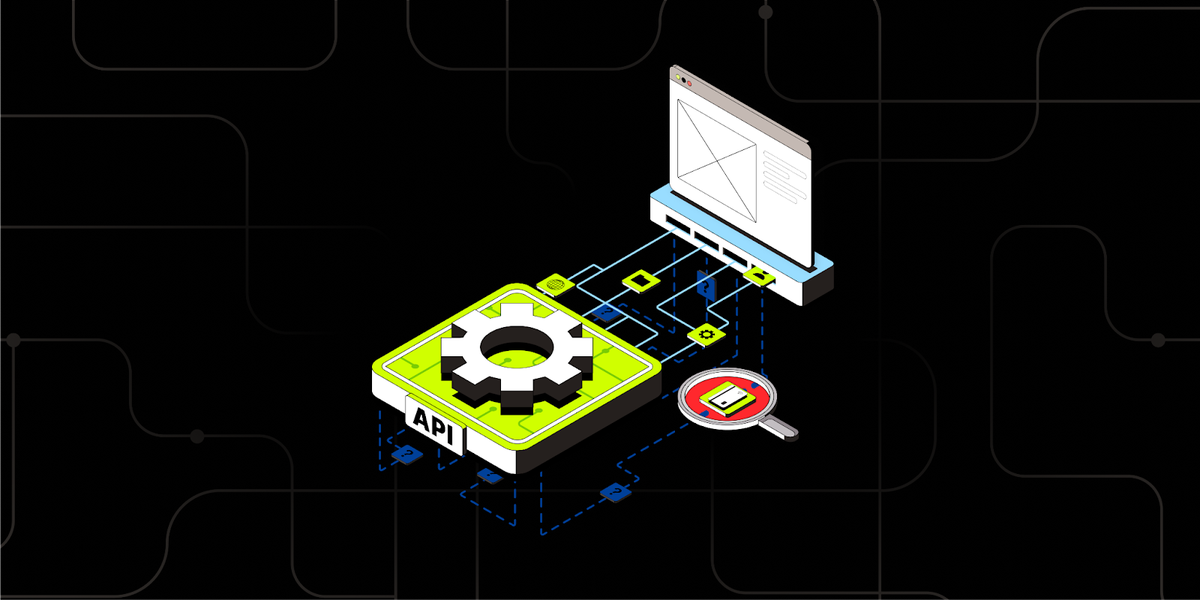
Best API DDoS Protection Provider
For businesses that rely on online functionality, API DDoS attacks can disrupt critical functions like logins, checkout, payment processing, inventory lookups, and order management, directly impacting revenue and customer experience.

Stopping Bad Bots Without Blocking the Good Ones
Keep trusted automation running while blocking malicious bots. Learn how precise WAF controls reduce false positives without weakening security.

Best CDN Providers
Discover the best CDN providers to boost website speed, security, and scalability. Compare top platforms like Fastly, Cloudflare, and Akamai to find the right solution for your business.

You own your availability: resilience in the age of third-party dependencies
Understand how third-party dependencies can impact website availability and performance. Discover how edge proxying helps reduce risk, improve resilience, and maintain uptime during third-party outages.
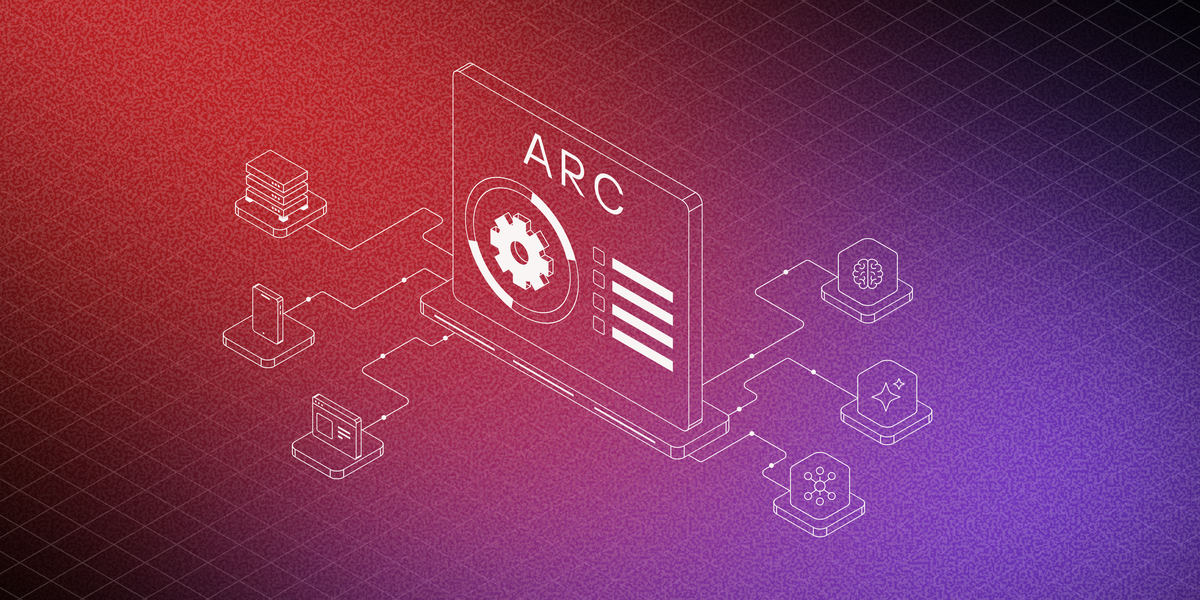
Top Multi-CDN Solutions
Explore the leading multi CDN solutions to boost website speed, security, and scalability.

AI Agents on Fastly Compute: How it Works and What Makes it Secure
Learn how to run AI agents on Fastly Compute, leveraging the edge for low latency and WebAssembly sandboxes for enterprise-grade speed and security.

Break Free from ESI Lock-in: Learn How to Migrate Today with Fastly
Migrate your legacy ESI to Fastly Compute. End vendor lock-in, run your ESI on a high-performance engine, and transition to a fully programmable edge.

DDoS in December 2025
Learn how sophisticated Layer 7 and network DDoS attacks evolved in December 2025, including the year’s largest attack and mitigation strategies.

Lightweight Latency Measurement with Server-Timing
Measure end-to-end request latency with Server-Timing. See how origin, Fastly Compute, and CDN delivery timings appear in browser dev tools.

When Moments Can’t Be Rehearsed, Preparation Is the Only Advantage That Scales
When everything is live and unforgiving, preparation is the only advantage. Learn how Fastly and Jerry Rice approach peak performance under pressure.
Streamlining User Experiences While Fighting Bots
Streamline user experiences and fight bots with Fastly's new embedded challenges for Bot Management.

Building Resilient Applications with Layered Security
Fastly's new security packages make layered application security easier to buy, use, and grow. Protect your apps with predictable pricing.

Fastest CDN Providers: Performance, Speed & Core Web Vitals
Compare the fastest CDN providers, improve Core Web Vitals, reduce latency, boost conversions, and learn what to look for when choosing a CDN

API Security Features
Explore API security features, testing best practices, and edge protections to prevent data breaches, bot abuse, credential attacks, and API exploitation.