

Get everything you need from a modern CDN — from effortless scale and built-in security to programmable control and full visibility.




All blog posts
Page 11 of 62

Fastly’s Pillars of Resilience: Building a More Robust Internet
Discover Fastly's Pillars of Resilience: unwavering availability, minimized latency, and disruption resistance for a robust internet experience with our global network.

The Tools Gap: Why Developers Struggle to Code Green
77% of developers want to code sustainably, but most lack the tools to measure impact. Fastly’s survey reveals the barriers and opportunities in green coding.

Publish your website without a host
Deploy static sites to Fastly Compute directly from your browser or IDE. Publish blogs, apps, and websites at the edge without hosting.

Teach Your robots.txt a New Trick (for AI)
Control how AI bots like Google-Extended and Applebot-Extended use your website content for training. Update your robots.txt file with simple Disallow rules.

Fastly + Scalepost: Extending the Fastly platform to manage AI Crawlers
See when and how AI chatbots use your content. With Fastly and ScalePost, publishers finally gain visibility into how their work shows up in AI-generated answers.

Control and Monetize Your Content with the RSL Standard
AI crawlers are scraping the web, often ignoring rules and costing publishers resources. The new RSL Standard lets you block, allow, or even charge AI for access to your content. Here’s how it works.

DDoS in August
August 2025 DDoS attack trends: Hyperscale clouds are the source for 70% of attacks. Get insights on the latest application DDoS trends to strengthen security.
Sustainability dashboard: Shine a light on your digital carbon footprint
Fastly's Sustainability dashboard provides instant access to electricity-related Scope 2 & 3 emissions data. Understand and optimize your digital carbon footprint with ease.

CISO Perspective: Q2 2025 Threat Insights Report
Explore Fastly's Q2 2025 Threat Report through our CISO, Marshall Erwin's eyes. Uncover bot traffic insights and key security practices.
Bridging the real-time testing gap: Fanout support in local development for Fastly Compute
Fastly Compute now supports local Fanout testing, letting you build and validate real-time features without deploying to production.

Powering PyPI with Advanced Traffic Engineering
PyPI serves millions daily. See how Fastly’s Individual Provider Anycast unlocks faster, smarter routing for Python’s package index.

Top-Rated CDN Security for Video Playback
Learn how CDNs secure video playback with encryption, token authentication, DRM support, DDoS protection, and bot mitigation

Top Akamai Alternatives and Competitors
Compare top Akamai alternatives and competitors, including Fastly, Cloudflare, AWS CloudFront, and Google Cloud CDN

Top CDN Solutions for Viral Content Distribution
Discover the best CDN solutions for viral content distribution. Compare Fastly, Cloudflare, and more for performance, and security during traffic spikes.

Best content delivery networks for bot management
Compare the best content delivery networks for bot management. Learn how CDNs stop bad bots at the edge using behavioral analysis, ML, and real-time controls.

Best DDoS Mitigation Providers - 2025/2026
Discover the best DDoS mitigation providers of 2025–2026 with in-depth comparisons on capacity, automation, visibility, and integration.
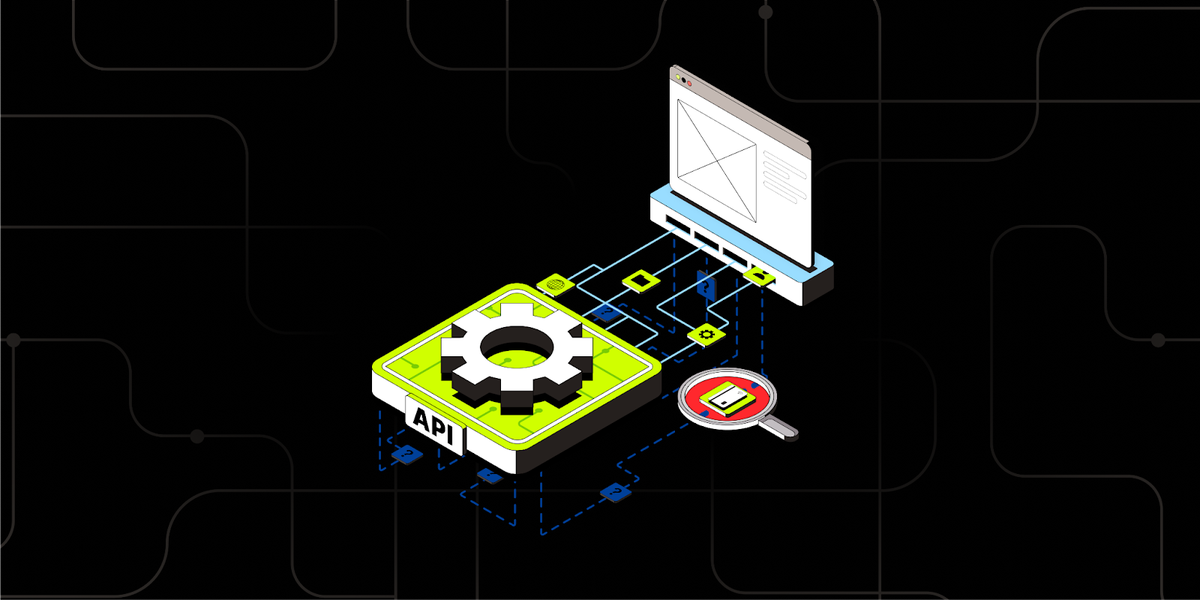
Best API Security Testing Tools and Checklist for 2026
Explore the best API security testing tools, a practical checklist, common testing methods, and how leading platforms protect APIs from modern attacks.

Vibe Shift? Senior Developers Ship nearly 2.5x more AI Code than Junior Counterparts
Fastly’s survey shows senior developers trust gen AI tools enough to ship 2.5x more AI code, while juniors stick to traditional coding and caution.