

簡単なスケーリングや組み込みのセキュリティ、プログラマブルなコントロール、完全な可視性まで、Fastly は最先端の CDN に求められるあらゆる機能を提供します。




今年の AI トラフィックは人間のトラフィックの6.5倍のペースで増加
Fastly のデータによると、AI トラフィックは2026年1月から5月にかけて30%増加。自律システムがインターネットリクエストの半数近くを占めるようになり、Web インフラストラクチャを再形成しています。



私たちは、Fastly ネットワーク上で AI トラフィックが急速に増加していることを確認しています。2026年1月から5月にかけて、Fastly プラットフォームでは AI によるリクエストが約30%増加し、同じ期間の人間によるトラフィックの約6.5倍のペースで増加しました。AI トラフィックは雪だるま式に増加しており、インターネット全体では、数十億件に及ぶ自動化されたリクエストの増加を意味する可能性があります。
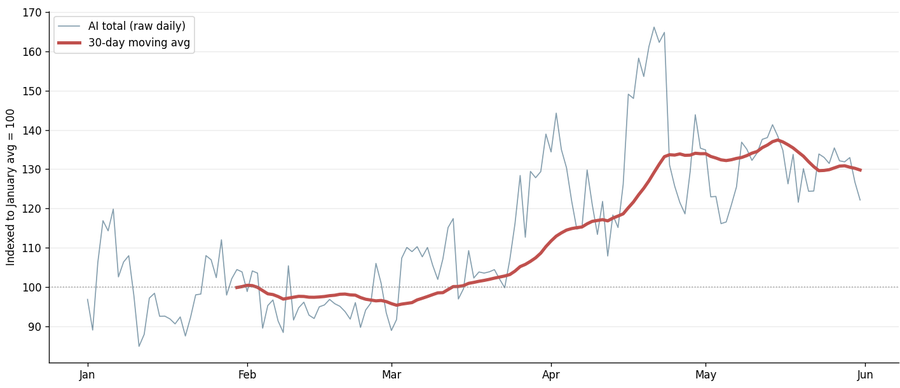
Fastly プラットフォーム全体のデータを詳しく見ると、クローラー、ボット、エージェント、API ベースのシステム、その他のマシンによって開始されるインタラクションを含む自律的なマシン間のトラフィックが、すべてのインターネットリクエストの半分近くを占めていることがわかります。マシンは、量と速度の両方で人間とは異なった動作をします。わずか数秒で発見、リクエスト、比較してアクションを起こすことができるため、可視性や関連性、長期的な競争力の確保がこれまで以上に重要になります。
AI トラフィックの新たな現実
AI トラフィックは単一のワークロードではなく、「AI クローラー」と「AI フェッチャー」の異なる2つのカテゴリーに大きく分けられます。
AI クローラーは、定期的にバルク処理を行うタイプのクローラーで、大規模言語モデル向けのトレーニングコーパスを構築するために、オープン Web を体系的に読み取ります。従来の検索エンジンクローラーとよく似た動作をし、継続的に Web 全体を巡回します。
AI フェッチャーは新たな行動パターンを指し、ユーザーに代わって行動するエージェントを意味します。クローラーとは異なり、フェッチャーは通常、より即時的な要求に関連しています。質問への回答、選択肢の比較、在庫の確認、コンテンツの要約、事実の検証、取引の処理などを行うために情報を取得します。
フェッチャーはスケジュール管理されていません。その量は、エージェントのワークロードと AI アシスタントの導入状況に従って変動します。ユーザーに代わって動作するエージェントが増えるほど、生成されるトラフィックも増えます。ChatGPT、Gemini、Claude にプロンプトを入力するユーザーによって、トラフィックが今後が増えることが予想されます。フェッチャーは対象範囲が広いクローラーよりも対象が限られ、意図に基づいて動作します。そのため、これらの異なるマシントラフィックのモデルには、まったく異なるビジネス決定が必要になります。
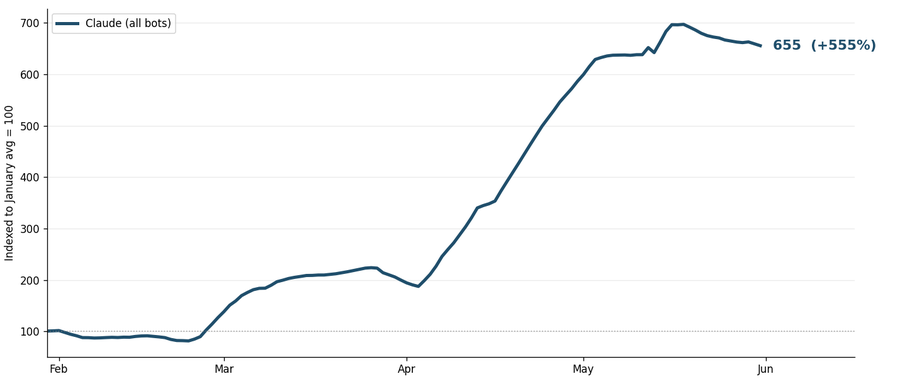
一部の AI トラフィックでは著しい増加が見られます。特に Claude によるトラフィックの増加が目覚ましく、1月のベースラインと比較して、555%以上の増加を記録しています。
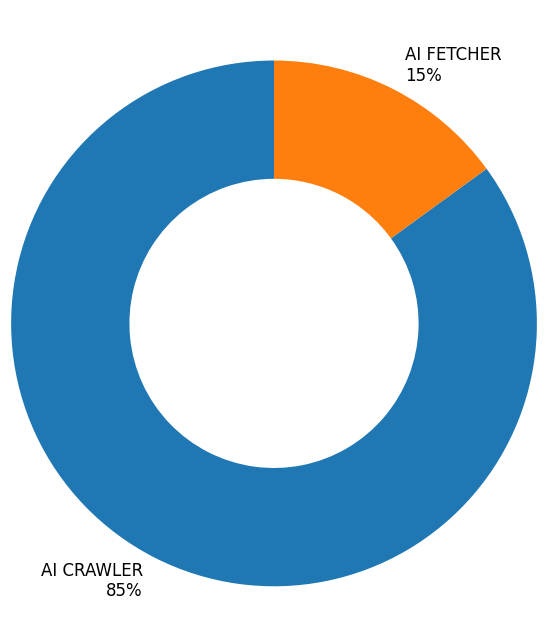
全体を見ると、2026年5月に Fastly のネットワークで観測された AI ボットによるリクエストの内訳は、クローラーが85%、フェッチャーが15%でした。
AI トラフィックは人間とは異なる動作をする
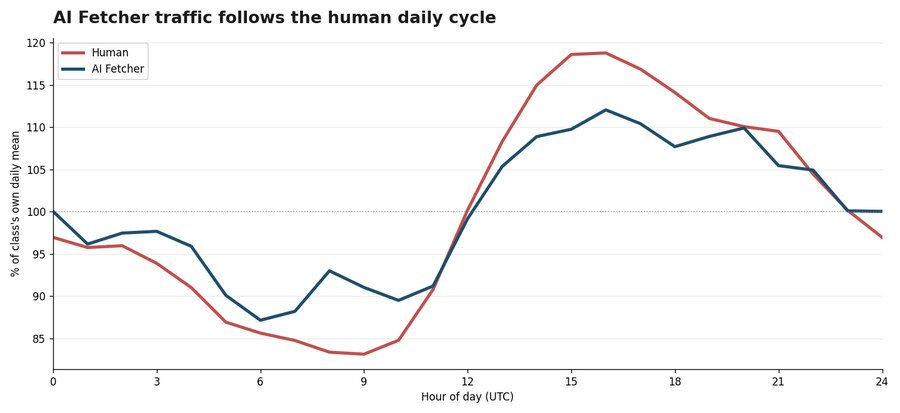
人間のトラフィックは必要に応じて発生します。タイムゾーン、平日/週末、習慣、意図による影響を受けます。AI クローラーのトラフィックは、こうした従来のパターンの影響をあまり受けません。Fastly プラットフォームのデータによると AI クローラーのアクティビティは24時間のサイクル全体を通して比較的安定しています。これらのシステムは、眠ることも、休憩することも、朝まで待つこともありません。離れた地域や異なるタイムゾーンにまたがって、情報を継続的に収集、処理、同期します。AI システムは、マシン速度で発見、リクエスト、比較してアクションを起こすことができるため、企業をよりリアルタイムな経済活動へと引き込みます。
フェッチャーのパターンも同様に重要です。AI フェッチャーは、質問や選択肢の比較、在庫の確認、タスクの完了など、ユーザーの行動に結びついていることが多いため、人間のリズムに、より似ているように見えます。つまり、自動化されているものの、人間の意図から切り離されているわけではありません。
このダイナミクスは、インターネット上に新たなオペレーションレイヤー存在することを示しています。常時稼働し、自動化され、ますます高度化するインテリジェントなエージェントです。これは人間の活動に伴走しつつ、人間とは異なるパターンで行動・スケールし、インフラストラクチャに負荷をかける、第2のトラフィックモデルを生み出しています。
AI トラフィックにはスマートな配信戦略が必要
AI システムは新しいパターンをもたらしています。2026年5月時点の当社のグローバルネットワークデータによると、人間によるリクエストのうち、オリジンインフラストラクチャへの送信が必要なのは9%未満です。対照的に、自動化された AI リクエストの51%超で、キャッシュ済みコンテンツではなく、オリジンサーバーから直接コンテンツを配信する必要があります。つまり、リクエストごとに見ると、AI ワークロードは人間のユーザーよりもオリジンインフラストラクチャと6倍以上の頻度でやり取りしていることになります。
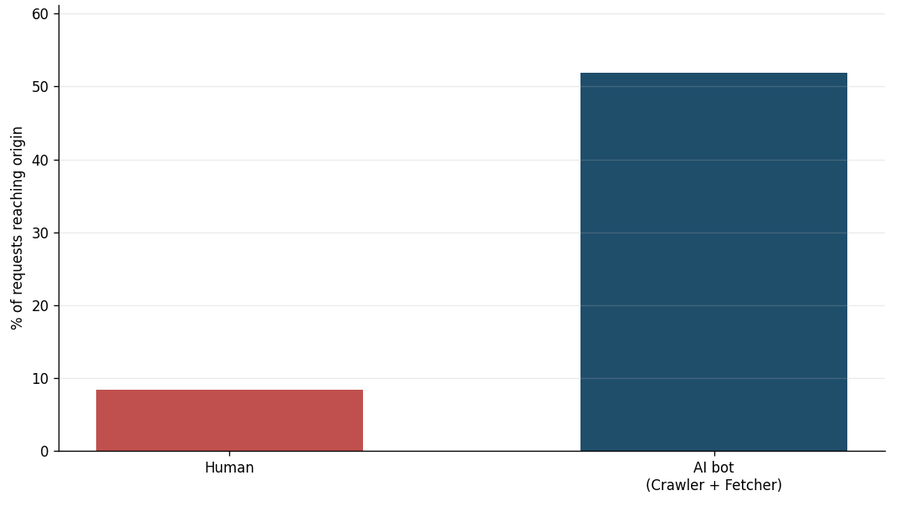
AI トラフィックは、変化があったコンテンツを求める傾向があります。現在の在庫状況、リアルタイムの価格、最近の記事、新しい製品データ、更新されたポリシー、新たな空き情報、改訂されたドキュメント、リアルタイムのコンテキストなどが例として挙げられます。このように AIシステムは、インターネットをライブデータソースとして使用しているのです。
これらのパターンを総合すると、企業が Web インフラストラクチャに求めるものが、AI トラフィックによって変化していることが分かります。自動化されたシステムがマシン速度でライブ情報をリクエストする際、キャッシュ可能なデータを効率的に配信し、新しいデータが必要なリクエストはインテリジェントにルーティングしてオリジンインフラストラクチャを保護する必要があります。
次のステップ
データはアーキテクチャに大規模な変化が起きていることを示していますが、数字からはその変化の半分しか見えません。本当の課題は、AI トラフィックの急増に対してビジネスがどのように対応すべきかを見極めることにあります。
このシリーズの第2部では、当社の CMO を務める Joan Jenkinsが、このデータがビジネスに与える影響を細かく分析し、マシンがもたらすリスクを競争優位に変えるために必要なエージェント対策を提案します。
調査方法
このレポートでは、2026年1月1日から5月31日にかけて Fastly のグローバルインフラストラクチャ全体で観測されたデータを対象に分析を行いました。顧客のオンボーディングやトラフィックの変動による影響を取り除き、自然発生的なトラフィックのトレンドのみを把握するため、ネットワーク全体のメトリクスは、特定の顧客グループを固定して算出されています。なお、単発の既知のマシン間トラフィックの急増によってボットトラフィックの影響が過大評価されたり、ネットワーク全体のベースラインが歪められたりする可能性を排除するため、一部除外されているケースがあります。
AI トラフィックは、Fastly のエッジ検出シグナルを使用して分類されました。時系列の増加メトリクスは、1月のベースライン平均を基準として日次リクエスト量を指数化したものであり、標準的な週次パターンの影響を抑えるために30日間の移動平均が使用されています。最後に、オリジンに送信されたリクエスト量の計算では、レスポンスの送信元という次元のみを基準としてリクエスト量を厳密に評価し、リクエストのうち、オリジンインフラストラクチャに直接ルーティングされるリクエストの割合を測定しています。